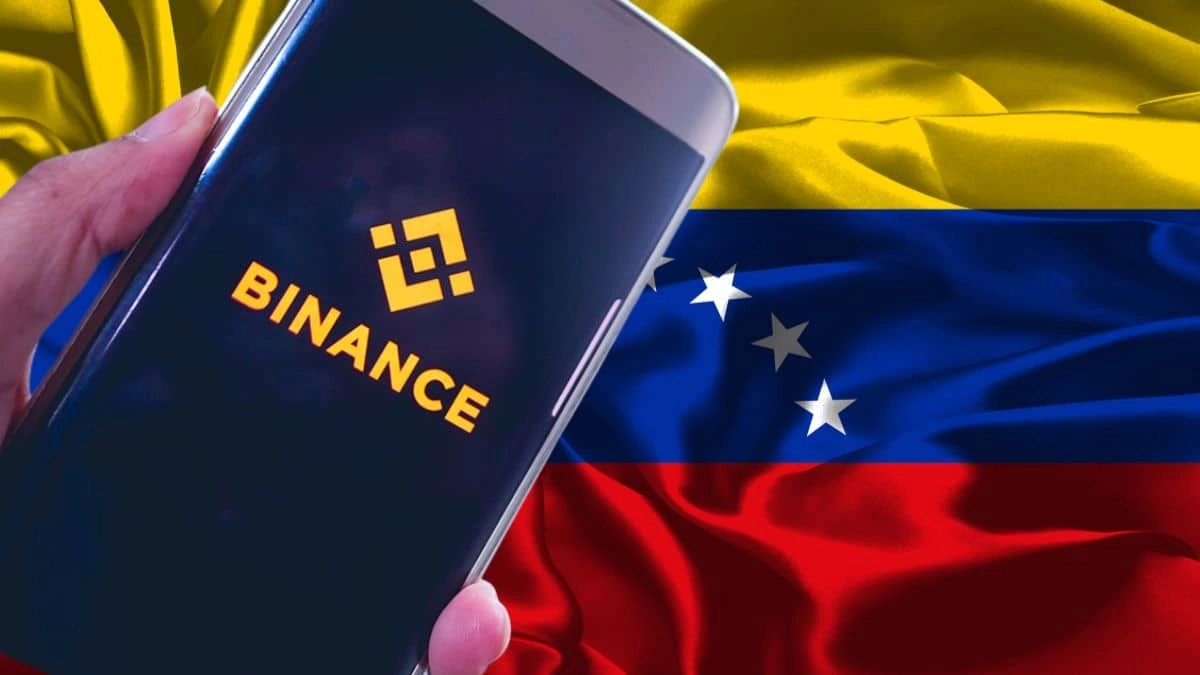
The Venezuelan authorities have decided to restrict their citizens’ access to Binance, the world’s largest cryptocurrency exchange. These measures were taken in response to opposition protests disagreeing with the results of recent presidential elections.

Representatives of the Venezuelan organization VE sin Filtro discovered a DNS block, which led to the disruption of normal functioning of both the Binance website and its mobile application. The organization recommended local users to use services to bypass the blockade.

Binance’s Response

Binance representatives confirmed the fact of restricted access to their platform. They assured users that all funds are safe and stated that they are closely monitoring the situation for its quickest resolution.

Binance’s P2P service plays an important role for Venezuelan residents, allowing them to directly exchange cash for cryptocurrency. This is especially relevant in conditions of hyperinflation, when citizens seek to preserve their savings.

Additional Restrictions

In addition to Binance, the Venezuelan government also ordered to ban access to the social network X (formerly known as Twitter) for at least ten days.

It’s worth noting that Binance faces difficulties not only in Venezuela. Recently, the company encountered tax problems in India, where fiscal authorities discovered a budget payment debt of 722 crore rupees (about $86 million).

You might be interested in:
20.11.2025

The SEC will cancel inspections of crypto companies in 2026.

The US Securities and Exchange Commission announced that it will no longer conduct separate reviews of crypto companies in 2026. The new approach, led by Paul Atkins, shifts the focus to asset security, data protection, and cyber resilience, and includes dialogue with the industry. The SEC also released updated guidance on classifying crypto assets based on the Howey Test, which could change the regulation of the digital asset market.
16.11.2025

New FSA rules for cryptocurrencies in Japan

Japan's Financial Services Agency is preparing a comprehensive reform of the crypto market: digital assets will become financial products, capital gains tax will be reduced to 20%, crypto exchanges will increase data disclosure, and banks will potentially be able to store and trade cryptocurrencies.
12.11.2025

Finland implements new cryptocurrency reporting standard

Starting in 2026, Finland will implement the CARF standard, requiring crypto exchanges and wallet providers to transmit detailed transaction data for international exchanges. The new regulations will affect hundreds of thousands of residents and tighten controls on cryptocurrency income.
08.11.2025

Conflict between banks and crypto exchange Coinbase

The ICBA is demanding that the OCC reject Coinbase's application for a banking license, arguing that it could harm traditional banks. Coinbase, however, believes the license will improve market transparency and not harm consumers. The application review will take up to 18 months.
Related Topics
altcoins
Amina Bank
Armenia
Binance
Bitcoin
Blockchain
blockchains
CASP license
Coinbase
crypto companies
crypto exchange
Crypto in Estonia
Crypto license in Hong Kong
crypto market
Crypto Regulation
Crypto Regulations in Hong Kong
Crypto Regulations in the US
Crypto-Friendly Banks
Crypto.com
cryptocurrency
cryptocurrency Finland
Cryptocurrency in Hong Kong
Cryptocurrency License
Cryptocurrency License in Estonia
cryptocurrency license in Malta
cryptocurrency license in the USA
Cryptocurrency Regulation
cryptocurrency trading
gold
Japan
Mastercard
MetaMask
MiCA
Nigeria
Obtaining a cryptocurrency license
Stablecoin
stablecoins
Staking
The SEC
Popular
20.11.2025

The SEC will cancel inspections of crypto companies in 2026.

The US Securities and Exchange Commission announced that it will no longer conduct separate reviews of crypto companies in 2026. The new approach, led by Paul Atkins, shifts the focus to asset security, data protection, and cyber resilience, and includes dialogue with the industry. The SEC also released updated guidance on classifying crypto assets based on the Howey Test, which could change the regulation of the digital asset market.
16.11.2025

New FSA rules for cryptocurrencies in Japan

Japan's Financial Services Agency is preparing a comprehensive reform of the crypto market: digital assets will become financial products, capital gains tax will be reduced to 20%, crypto exchanges will increase data disclosure, and banks will potentially be able to store and trade cryptocurrencies.
12.11.2025

Finland implements new cryptocurrency reporting standard

Starting in 2026, Finland will implement the CARF standard, requiring crypto exchanges and wallet providers to transmit detailed transaction data for international exchanges. The new regulations will affect hundreds of thousands of residents and tighten controls on cryptocurrency income.
08.11.2025

Conflict between banks and crypto exchange Coinbase

The ICBA is demanding that the OCC reject Coinbase's application for a banking license, arguing that it could harm traditional banks. Coinbase, however, believes the license will improve market transparency and not harm consumers. The application review will take up to 18 months.
To help improve your experience of our website we would like to use cookies. This means we collect some information on your activity while you are on the website. For more information read more about our use of cookies here, your setting can be changed at any time. Please accept our use of cookies and help us improve your experience.