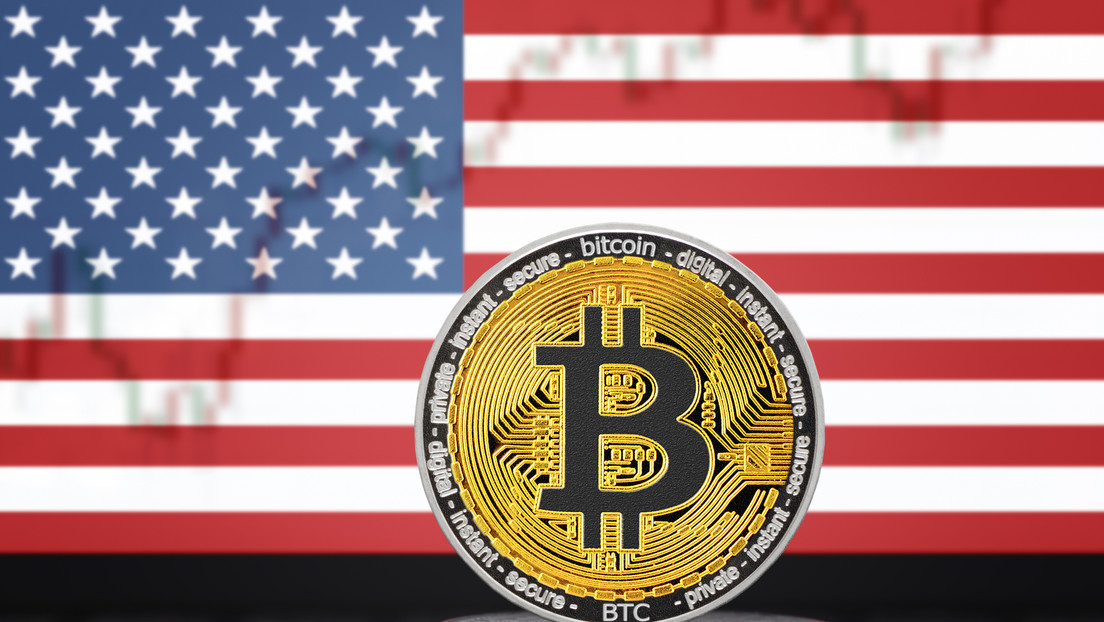
The US Department of Justice has announced that it is disbanding the National Cryptocurrency Enforcement Team (NCET), which previously handled investigations into digital assets. According to an internal memo signed by Deputy Attorney General Todd Blanche, the department is changing its strategic focus and withdrawing from a number of initiatives related to crypto exchanges, crypto mixers, and crypto wallet developers.

Blanche noted that regulating digital assets is not the direct responsibility of the Justice Department, despite the fact that the department was previously actively involved in this area by the previous administration. He accused the previous White House leadership of “recklessly prosecuting” crypto market participants and said that the priority is now being given to investigating fraud against investors. NCET previously employed cybercrime and money laundering specialists who investigated cases related to projects such as Tornado Cash and the activities of North Korean hackers.

Trump’s Policy and the Libra Memecoin Case

The change in the Justice Department’s course is related to the new crypto policy of the Donald Trump administration. In January of this year, Trump signed an executive order aimed at providing «regulatory clarity» for crypto industry participants. This became the starting point for revising the role of government agencies in regulating digital assets.

Amid these changes, the Justice Department is still continuing a number of investigations, including the Libra memocoin crash. This project became famous thanks to the support of Argentine President Javier Miley and attracted the attention of both investors and regulators. Despite the disbandment of the NCET, cases involving large financial losses are still in the sights of the American justice system.

You might be interested in:
13.01.2026

New KYC Rules in India: Crypto Exchanges Tighten Scrutiny
India's Financial Intelligence Unit is tightening KYC and AML regulations for crypto exchanges: users are required to undergo real-time selfie verification, verify bank accounts, and provide geolocation data. The new measures are aimed at combating money laundering, deepfakes, and tax evasion in the crypto market.
09.01.2026

Cryptocurrency Licensing in the UK: New Rules and Deadlines
The UK is introducing a comprehensive regulatory regime for the crypto market. Find out when the FCA opens for applications, who is affected by the new requirements, and how crypto exchanges and services will be licensed.
04.01.2026

Global Implementation of the CARF Standard: New Requirements for Crypto Services
The OECD's international CARF standard introduces mandatory tax reporting for cryptocurrencies. Find out which countries are participating, who is affected by the new requirements, and when data exchange will begin.
30.12.2025

Binance has restricted withdrawals to Visa and MasterCard cards for users in Ukraine

Cryptocurrency exchange Binance has suspended withdrawals to Visa and MasterCard cards for users in Ukraine, disabled Recurring Buy, and explained the changes by citing the closure of its Bifinity service due to regulation.
Related Topics
altcoins
Amina Bank
Armenia
Binance
Bitcoin
Blockchain
blockchains
CARF standard
CASP license
Coinbase
crypto companies
crypto exchange
crypto exchanges
Crypto in Estonia
Crypto license in Hong Kong
crypto market
Crypto Regulation
Crypto Regulations in Hong Kong
Crypto Regulations in the US
Crypto-Friendly Banks
Crypto.com
cryptocurrency
cryptocurrency Finland
Cryptocurrency in Hong Kong
Cryptocurrency License
Cryptocurrency License in Estonia
cryptocurrency license in Malta
cryptocurrency license in the USA
Cryptocurrency Regulation
cryptocurrency trading
Euro-stablecoins
gold
Indian
Japan
licensing of crypto companies
Lithuania
Mastercard
MetaMask
MiCA
Nigeria
Obtaining a cryptocurrency license
South Korea
Stablecoin
stablecoins
Staking
The Central Bank of Russia
The SEC
Ukrainian
Visa
Popular
13.01.2026

New KYC Rules in India: Crypto Exchanges Tighten Scrutiny

India's Financial Intelligence Unit is tightening KYC and AML regulations for crypto exchanges: users are required to undergo real-time selfie verification, verify bank accounts, and provide geolocation data. The new measures are aimed at combating money laundering, deepfakes, and tax evasion in the crypto market.
09.01.2026

Cryptocurrency Licensing in the UK: New Rules and Deadlines

The UK is introducing a comprehensive regulatory regime for the crypto market. Find out when the FCA opens for applications, who is affected by the new requirements, and how crypto exchanges and services will be licensed.
04.01.2026

Global Implementation of the CARF Standard: New Requirements for Crypto Services

The OECD's international CARF standard introduces mandatory tax reporting for cryptocurrencies. Find out which countries are participating, who is affected by the new requirements, and when data exchange will begin.
30.12.2025

Binance has restricted withdrawals to Visa and MasterCard cards for users in Ukraine

Cryptocurrency exchange Binance has suspended withdrawals to Visa and MasterCard cards for users in Ukraine, disabled Recurring Buy, and explained the changes by citing the closure of its Bifinity service due to regulation.
To help improve your experience of our website we would like to use cookies. This means we collect some information on your activity while you are on the website. For more information read more about our use of cookies here, your setting can be changed at any time. Please accept our use of cookies and help us improve your experience.