Strengthening Liability for Crypto Platforms

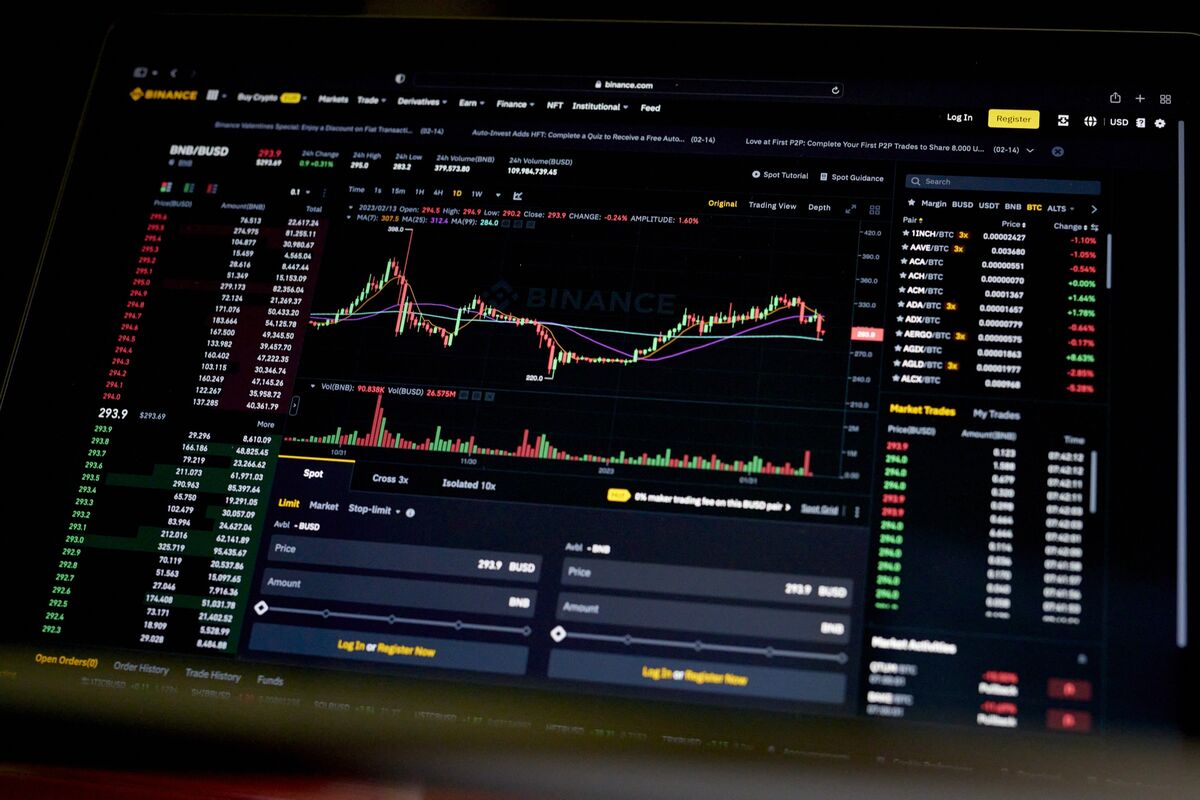
South Korea’s Financial Services Commission (FSC) has announced plans to significantly tighten regulation of cryptocurrency exchanges. According to information published by The Korea Times, citing agency officials, trading platforms may be required to compensate clients for losses even in cases where they are not at fault. Previously, this liability model applied exclusively to banks and electronic payment services under the Electronic Financial Transactions Act.

Equalization with Traditional Financial Institutions

The FSC’s new initiative reflects the regulator’s commitment to treating large crypto exchanges equally with traditional financial platforms. This means implementing comparable standards for consumer protection, internal controls, and risk management. For the rapidly growing Korean crypto market, this approach could be a game-changer, as it strengthens investor confidence but simultaneously increases the burden on businesses.

New IT Security Requirements

In addition to compensation mechanisms, the commission is preparing legislative amendments regarding IT security. Technical standards are planned to be updated, along with stricter requirements for the infrastructure and qualifications of crypto platform personnel. Particular attention will be paid to data protection, system resilience, and the prevention of cyberattacks, which have previously led to failures and leaks.

Fines and Financial Sanctions

Separately, the possibility of introducing fines for hacking incidents amounting to up to 3% of a crypto exchange’s annual revenue is being considered. This threshold is similar to the sanctions applied to banks. For comparison, the maximum fine for trading platforms is currently capped at approximately $3.4 million, significantly lower than the potential new sanctions.

Impact on the Market and Participants

The new rules are expected to primarily affect the country’s largest exchanges—Upbit, Bithumb, Coinone, Korbit, and Gopax. According to FSC representatives, stricter requirements will force senior management to pay greater attention to security and the protection of client funds. South Korea’s Financial Intelligence Unit (FIU) has previously warned market participants about increased penalties for non-compliance with cryptocurrency laws, indicating the government’s systematic move toward stricter oversight of the industry.

You might be interested in:
09.12.2025

The Bank of Russia is preparing a new approach to regulating crypto exchanges.

The Central Bank of Russia is discussing classifying crypto exchanges as a separate category and licensing them. The regulator plans to introduce uniform rules for digital asset trading, strengthen oversight of illegal transactions, and define the conditions for investor access to cryptocurrencies.
05.12.2025

South Korea's FSC is preparing new regulations for crypto exchanges

South Korea's Financial Services Commission plans to tighten regulation of crypto exchanges, requiring them to compensate clients for losses, strengthen IT security requirements, and impose fines of up to 3% of annual revenue for hacking incidents.
20.11.2025

The SEC will cancel inspections of crypto companies in 2026.

The US Securities and Exchange Commission announced that it will no longer conduct separate reviews of crypto companies in 2026. The new approach, led by Paul Atkins, shifts the focus to asset security, data protection, and cyber resilience, and includes dialogue with the industry. The SEC also released updated guidance on classifying crypto assets based on the Howey Test, which could change the regulation of the digital asset market.
16.11.2025

New FSA rules for cryptocurrencies in Japan

Japan's Financial Services Agency is preparing a comprehensive reform of the crypto market: digital assets will become financial products, capital gains tax will be reduced to 20%, crypto exchanges will increase data disclosure, and banks will potentially be able to store and trade cryptocurrencies.
Related Topics
altcoins
Amina Bank
Armenia
Binance
Bitcoin
Blockchain
blockchains
CASP license
Coinbase
crypto companies
crypto exchange
crypto exchanges
Crypto in Estonia
Crypto license in Hong Kong
crypto market
Crypto Regulation
Crypto Regulations in Hong Kong
Crypto Regulations in the US
Crypto-Friendly Banks
Crypto.com
cryptocurrency
cryptocurrency Finland
Cryptocurrency in Hong Kong
Cryptocurrency License
Cryptocurrency License in Estonia
cryptocurrency license in Malta
cryptocurrency license in the USA
Cryptocurrency Regulation
cryptocurrency trading
gold
Japan
Mastercard
MetaMask
MiCA
Nigeria
Obtaining a cryptocurrency license
South Korea
Stablecoin
stablecoins
Staking
The Central Bank of Russia
The SEC
Popular
09.12.2025

The Bank of Russia is preparing a new approach to regulating crypto exchanges.

The Central Bank of Russia is discussing classifying crypto exchanges as a separate category and licensing them. The regulator plans to introduce uniform rules for digital asset trading, strengthen oversight of illegal transactions, and define the conditions for investor access to cryptocurrencies.
05.12.2025

South Korea's FSC is preparing new regulations for crypto exchanges

South Korea's Financial Services Commission plans to tighten regulation of crypto exchanges, requiring them to compensate clients for losses, strengthen IT security requirements, and impose fines of up to 3% of annual revenue for hacking incidents.
20.11.2025

The SEC will cancel inspections of crypto companies in 2026.

The US Securities and Exchange Commission announced that it will no longer conduct separate reviews of crypto companies in 2026. The new approach, led by Paul Atkins, shifts the focus to asset security, data protection, and cyber resilience, and includes dialogue with the industry. The SEC also released updated guidance on classifying crypto assets based on the Howey Test, which could change the regulation of the digital asset market.
16.11.2025

New FSA rules for cryptocurrencies in Japan

Japan's Financial Services Agency is preparing a comprehensive reform of the crypto market: digital assets will become financial products, capital gains tax will be reduced to 20%, crypto exchanges will increase data disclosure, and banks will potentially be able to store and trade cryptocurrencies.
To help improve your experience of our website we would like to use cookies. This means we collect some information on your activity while you are on the website. For more information read more about our use of cookies here, your setting can be changed at any time. Please accept our use of cookies and help us improve your experience.