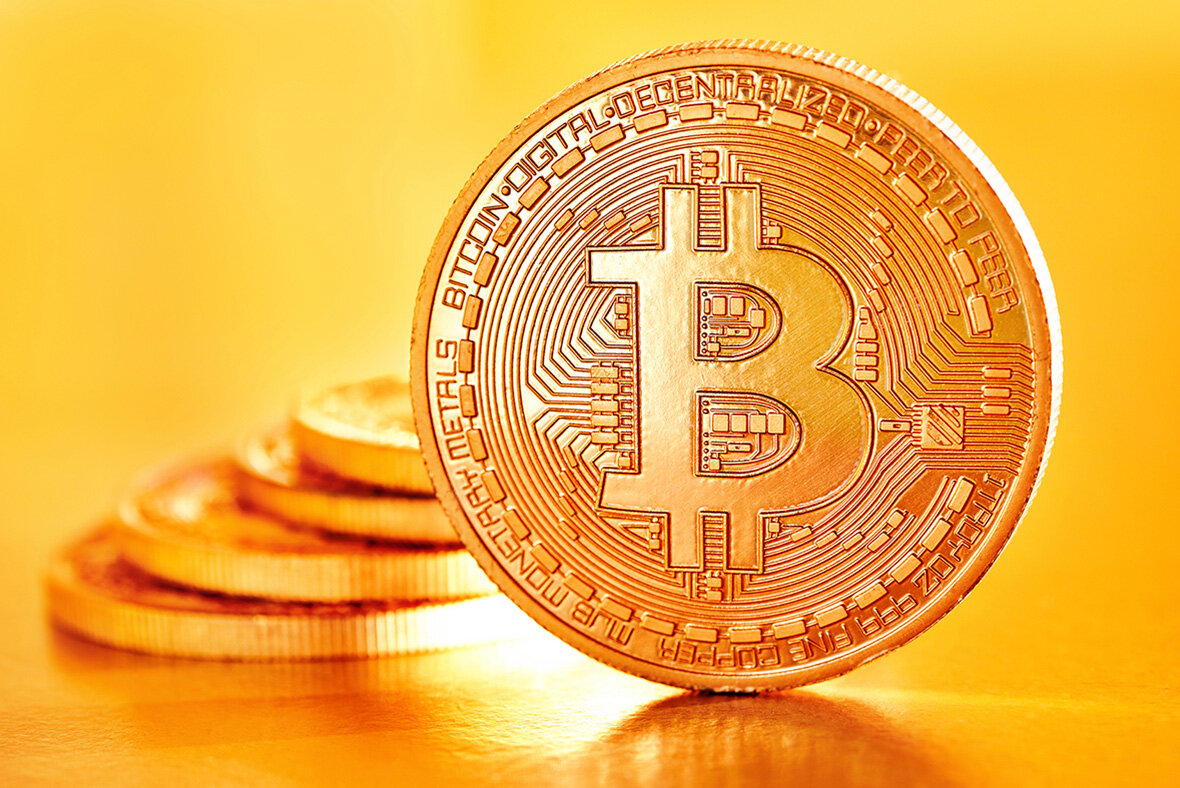
Experts from the investment company Grayscale believe that the escalation of the trade war initiated by US President Donald Trump creates favorable conditions for the growth of Bitcoin and gold, despite the negative consequences for traditional fiat assets. In their opinion, the growing tension between the US and a number of other countries may lead to a weakening of the dollar’s position as a global reserve currency. This opens up space for strengthening alternative forms of savings, including the first cryptocurrency and precious metals, experts say.

Grayscale analysts note that the history of financial crises shows that during periods of dollar devaluation and accelerating inflation, investors actively seek capital protection in assets that are not tied to fiat systems. Bitcoin, with its limited emission and growing popularity, is capable of playing the role of just such a hedging instrument. In addition, experts emphasize that macroeconomic instability traditionally pushes for increased interest in decentralized assets that are independent of central bank policies and international agreements.

Strengthening infrastructure and institutional interest support bitcoin

Grayscale is confident that efforts to develop cryptocurrency infrastructure, as well as possible changes in the regulation of digital assets in the United States, can further accelerate the inflow of investments into bitcoin in the coming months. The growth of institutional participants, the introduction of new financial products and increased trust in blockchain solutions create the preconditions for the long-term strengthening of bitcoin as a reliable means of storing value.

A similar point of view was previously voiced by Jeffrey Kendrick, head of the digital asset research department at Standard Chartered Bank. According to him, bitcoin is becoming an increasingly attractive instrument for protecting against geopolitical risks caused by the escalation of trade conflicts between the United States and the rest of the world. Thus, against the backdrop of uncertainty in the global economy, cryptocurrencies and gold continue to strengthen their positions as alternative assets for preserving and increasing capital.

You might be interested in:
13.01.2026

New KYC Rules in India: Crypto Exchanges Tighten Scrutiny
India's Financial Intelligence Unit is tightening KYC and AML regulations for crypto exchanges: users are required to undergo real-time selfie verification, verify bank accounts, and provide geolocation data. The new measures are aimed at combating money laundering, deepfakes, and tax evasion in the crypto market.
09.01.2026

Cryptocurrency Licensing in the UK: New Rules and Deadlines
The UK is introducing a comprehensive regulatory regime for the crypto market. Find out when the FCA opens for applications, who is affected by the new requirements, and how crypto exchanges and services will be licensed.
04.01.2026

Global Implementation of the CARF Standard: New Requirements for Crypto Services
The OECD's international CARF standard introduces mandatory tax reporting for cryptocurrencies. Find out which countries are participating, who is affected by the new requirements, and when data exchange will begin.
30.12.2025

Binance has restricted withdrawals to Visa and MasterCard cards for users in Ukraine

Cryptocurrency exchange Binance has suspended withdrawals to Visa and MasterCard cards for users in Ukraine, disabled Recurring Buy, and explained the changes by citing the closure of its Bifinity service due to regulation.
Related Topics
altcoins
Amina Bank
Armenia
Binance
Bitcoin
Blockchain
blockchains
CARF standard
CASP license
Coinbase
crypto companies
crypto exchange
crypto exchanges
Crypto in Estonia
Crypto license in Hong Kong
crypto market
Crypto Regulation
Crypto Regulations in Hong Kong
Crypto Regulations in the US
Crypto-Friendly Banks
Crypto.com
cryptocurrency
cryptocurrency Finland
Cryptocurrency in Hong Kong
Cryptocurrency License
Cryptocurrency License in Estonia
cryptocurrency license in Malta
cryptocurrency license in the USA
Cryptocurrency Regulation
cryptocurrency trading
Euro-stablecoins
gold
Indian
Japan
licensing of crypto companies
Lithuania
Mastercard
MetaMask
MiCA
Nigeria
Obtaining a cryptocurrency license
South Korea
Stablecoin
stablecoins
Staking
The Central Bank of Russia
The SEC
Ukrainian
Visa
Popular
13.01.2026

New KYC Rules in India: Crypto Exchanges Tighten Scrutiny

India's Financial Intelligence Unit is tightening KYC and AML regulations for crypto exchanges: users are required to undergo real-time selfie verification, verify bank accounts, and provide geolocation data. The new measures are aimed at combating money laundering, deepfakes, and tax evasion in the crypto market.
09.01.2026

Cryptocurrency Licensing in the UK: New Rules and Deadlines

The UK is introducing a comprehensive regulatory regime for the crypto market. Find out when the FCA opens for applications, who is affected by the new requirements, and how crypto exchanges and services will be licensed.
04.01.2026

Global Implementation of the CARF Standard: New Requirements for Crypto Services

The OECD's international CARF standard introduces mandatory tax reporting for cryptocurrencies. Find out which countries are participating, who is affected by the new requirements, and when data exchange will begin.
30.12.2025

Binance has restricted withdrawals to Visa and MasterCard cards for users in Ukraine

Cryptocurrency exchange Binance has suspended withdrawals to Visa and MasterCard cards for users in Ukraine, disabled Recurring Buy, and explained the changes by citing the closure of its Bifinity service due to regulation.
To help improve your experience of our website we would like to use cookies. This means we collect some information on your activity while you are on the website. For more information read more about our use of cookies here, your setting can be changed at any time. Please accept our use of cookies and help us improve your experience.