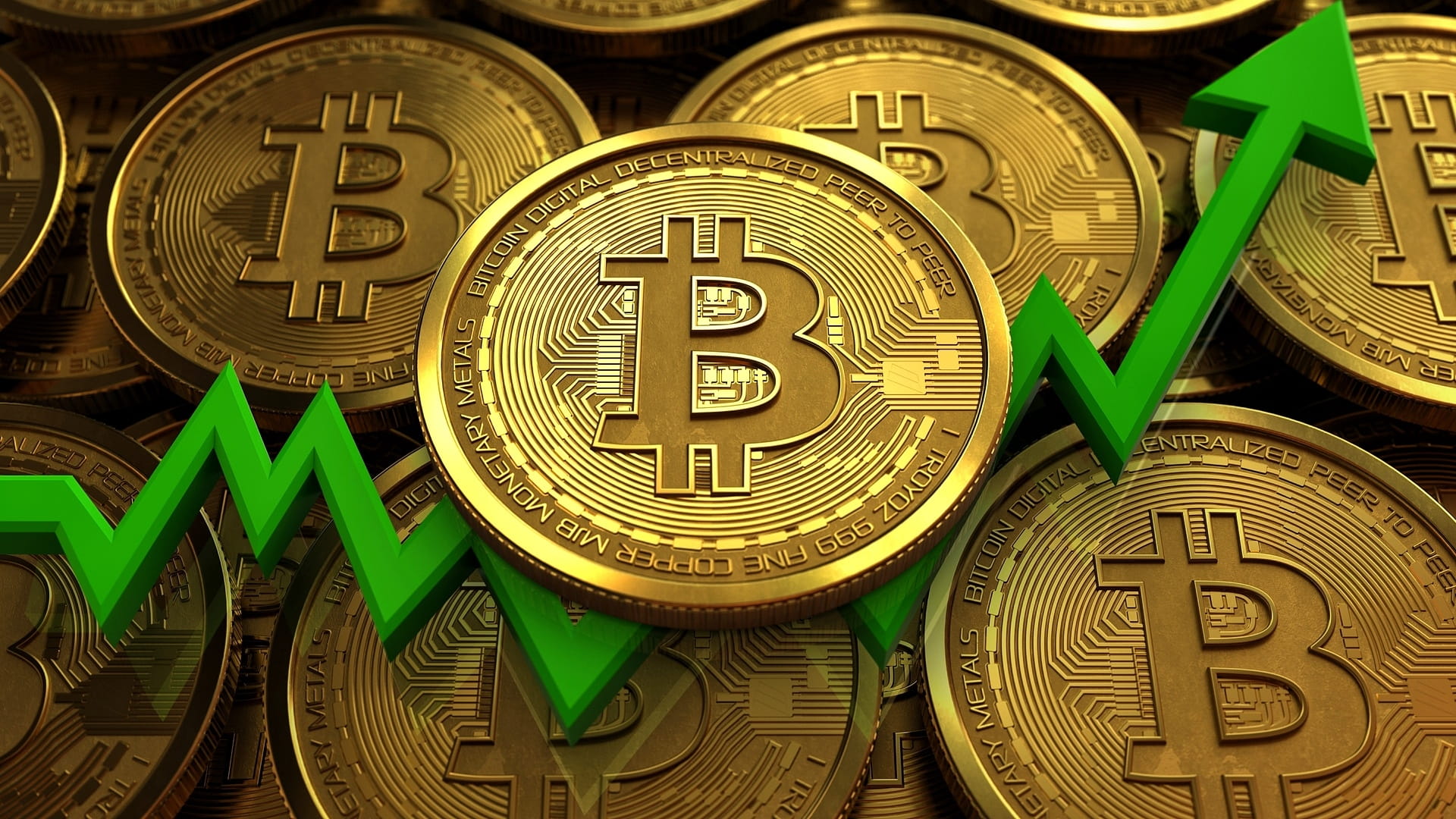
On November 21, Bitcoin achieved a new all-time high, with its market capitalization reaching $1.93 trillion at a price of $97,850 per coin. This milestone allowed the leading cryptocurrency to surpass the market value of Saudi Aramco, the global oil and gas giant, whose capitalization now trails by over $100 billion.

David Ingles, Chief Editor for BloombergTV APAC, noted that if Bitcoin were a commercial company, it would rank sixth among the largest international corporations, positioned just after Amazon and slightly ahead of Saudi Aramco. For comparison, Meta, which owns Facebook, Instagram, and WhatsApp, has a market capitalization of $1.294 trillion—nearly $700 billion less than Bitcoin.

Reasons Behind Bitcoin’s Rapid Price Surge

Experts attribute Bitcoin’s meteoric rise to discussions within Donald Trump’s team about establishing a new government post to regulate the cryptocurrency market in the United States. This initiative could boost confidence in crypto-assets and create a more stable legal framework for their development.

Analytics firm Glassnode highlighted a significant increase in demand for Bitcoin among private investors and a surge of capital inflow into spot Bitcoin ETFs. Over the past 30 days, the cryptocurrency market has seen inflows exceeding $62.9 billion, with Bitcoin dominating the volume of funds received.

Bitcoin Strengthens Its Position in Global Rankings

Bitcoin’s new record underscores its role not only as a digital asset but also as a major financial instrument capable of competing with the world’s largest corporations. Surpassing Saudi Aramco’s market capitalization marks a symbolic moment for the cryptocurrency industry, demonstrating its growing impact on the global economy.

The rapid rise of Bitcoin also reflects shifting investor sentiment, as cryptocurrencies are increasingly viewed as long-term assets capable of rivaling traditional financial instruments.

You might be interested in:

20.11.2025

The SEC will cancel inspections of crypto companies in 2026.

The US Securities and Exchange Commission announced that it will no longer conduct separate reviews of crypto companies in 2026. The new approach, led by Paul Atkins, shifts the focus to asset security, data protection, and cyber resilience, and includes dialogue with the industry. The SEC also released updated guidance on classifying crypto assets based on the Howey Test, which could change the regulation of the digital asset market.
16.11.2025

New FSA rules for cryptocurrencies in Japan

Japan's Financial Services Agency is preparing a comprehensive reform of the crypto market: digital assets will become financial products, capital gains tax will be reduced to 20%, crypto exchanges will increase data disclosure, and banks will potentially be able to store and trade cryptocurrencies.
12.11.2025

Finland implements new cryptocurrency reporting standard

Starting in 2026, Finland will implement the CARF standard, requiring crypto exchanges and wallet providers to transmit detailed transaction data for international exchanges. The new regulations will affect hundreds of thousands of residents and tighten controls on cryptocurrency income.
08.11.2025

Conflict between banks and crypto exchange Coinbase

The ICBA is demanding that the OCC reject Coinbase's application for a banking license, arguing that it could harm traditional banks. Coinbase, however, believes the license will improve market transparency and not harm consumers. The application review will take up to 18 months.
Related Topics
altcoins
Amina Bank
Armenia
Binance
Bitcoin
Blockchain
blockchains
CASP license
Coinbase
crypto companies
crypto exchange
Crypto in Estonia
Crypto license in Hong Kong
crypto market
Crypto Regulation
Crypto Regulations in Hong Kong
Crypto Regulations in the US
Crypto-Friendly Banks
Crypto.com
cryptocurrency
cryptocurrency Finland
Cryptocurrency in Hong Kong
Cryptocurrency License
Cryptocurrency License in Estonia
cryptocurrency license in Malta
cryptocurrency license in the USA
Cryptocurrency Regulation
cryptocurrency trading
gold
Japan
Mastercard
MetaMask
MiCA
Nigeria
Obtaining a cryptocurrency license
Stablecoin
stablecoins
Staking
The SEC
Popular
20.11.2025

The SEC will cancel inspections of crypto companies in 2026.

The US Securities and Exchange Commission announced that it will no longer conduct separate reviews of crypto companies in 2026. The new approach, led by Paul Atkins, shifts the focus to asset security, data protection, and cyber resilience, and includes dialogue with the industry. The SEC also released updated guidance on classifying crypto assets based on the Howey Test, which could change the regulation of the digital asset market.
16.11.2025

New FSA rules for cryptocurrencies in Japan

Japan's Financial Services Agency is preparing a comprehensive reform of the crypto market: digital assets will become financial products, capital gains tax will be reduced to 20%, crypto exchanges will increase data disclosure, and banks will potentially be able to store and trade cryptocurrencies.
12.11.2025

Finland implements new cryptocurrency reporting standard

Starting in 2026, Finland will implement the CARF standard, requiring crypto exchanges and wallet providers to transmit detailed transaction data for international exchanges. The new regulations will affect hundreds of thousands of residents and tighten controls on cryptocurrency income.
08.11.2025

Conflict between banks and crypto exchange Coinbase

The ICBA is demanding that the OCC reject Coinbase's application for a banking license, arguing that it could harm traditional banks. Coinbase, however, believes the license will improve market transparency and not harm consumers. The application review will take up to 18 months.
To help improve your experience of our website we would like to use cookies. This means we collect some information on your activity while you are on the website. For more information read more about our use of cookies here, your setting can be changed at any time. Please accept our use of cookies and help us improve your experience.