Separating Cryptocurrency Exchanges into a Separate Category

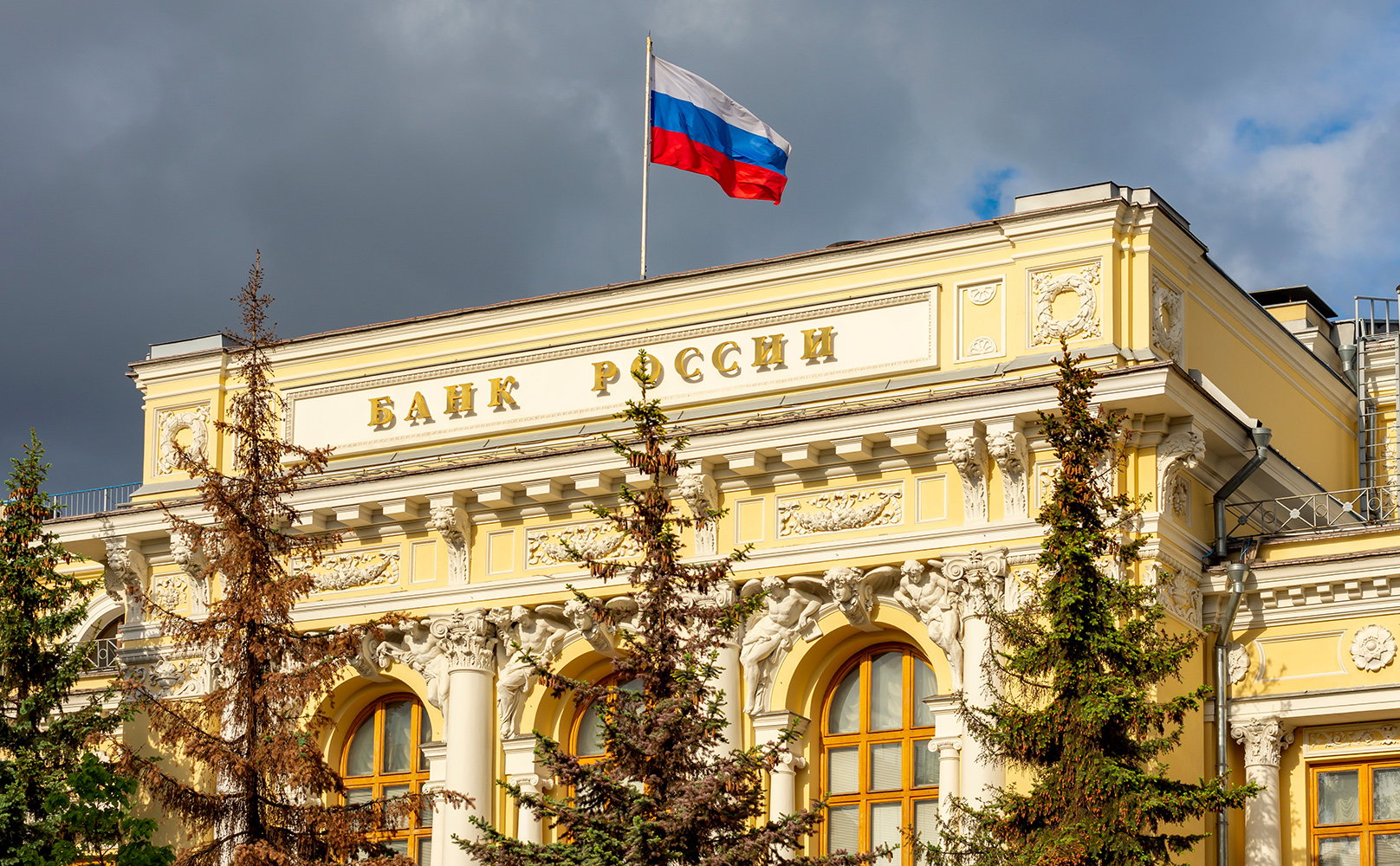
The Bank of Russia is considering separating cryptocurrency exchanges into a separate category of financial participants. This was announced by Vladimir Chistyukhin, First Deputy Chairman of the Central Bank of Russia. According to him, the regulator is also discussing licensing options for such platforms. This signifies a shift to a more structured and formalized approach to digital asset transactions, where all transactions will be conducted through a controlled infrastructure.

Unified Framework and the Fight Against Illegal Activity

Chistyukhin emphasized that Russia has already created the necessary infrastructure for working with cryptocurrencies, and digital asset transactions are planned to be conducted through existing market participants. The regulator’s key task is to define clear rules regarding who can conduct transactions and how. All transactions outside the established framework will be classified as illegal. It is expected that penalties for such violations will be enforced starting in mid-2027.

The International Factor and the Abandonment of Experimentation

Special attention is being paid to international requirements when developing regulations, primarily FATF standards on combating money laundering and terrorist financing. According to Chistyukhin, international organizations are closely evaluating national regulations in the digital asset sector. This is why the Central Bank abandoned the idea of ​​an experimental legal regime: there is simply no time for its implementation and subsequent analysis. The regulator intends to move to a permanent regulatory model as quickly as possible.

Public Access to Cryptocurrencies

At the same time, the Bank of Russia does not plan to ban the sale of cryptocurrencies to individuals. Citizens who already own digital assets will be able to freely store, sell, and exchange them without any restrictions on the amount. Restrictions may only apply to new purchases. In particular, discussions are underway to allow cryptocurrency acquisitions exclusively for qualified investors, of whom there are over one million in Russia.

Prospects for Non-Qualified Investors

The regulator does not rule out that, under certain conditions, access to crypto instruments may be opened to non-qualified investors. However, in this case, only the most liquid and easily understood instruments related to digital assets will be considered. Thus, the Central Bank seeks to balance the development of the crypto market, investor protection, and compliance with international regulatory requirements.

You might be interested in:
13.01.2026

New KYC Rules in India: Crypto Exchanges Tighten Scrutiny
India's Financial Intelligence Unit is tightening KYC and AML regulations for crypto exchanges: users are required to undergo real-time selfie verification, verify bank accounts, and provide geolocation data. The new measures are aimed at combating money laundering, deepfakes, and tax evasion in the crypto market.
09.01.2026

Cryptocurrency Licensing in the UK: New Rules and Deadlines

The UK is introducing a comprehensive regulatory regime for the crypto market. Find out when the FCA opens for applications, who is affected by the new requirements, and how crypto exchanges and services will be licensed.
04.01.2026

Global Implementation of the CARF Standard: New Requirements for Crypto Services
The OECD's international CARF standard introduces mandatory tax reporting for cryptocurrencies. Find out which countries are participating, who is affected by the new requirements, and when data exchange will begin.
30.12.2025

Binance has restricted withdrawals to Visa and MasterCard cards for users in Ukraine

Cryptocurrency exchange Binance has suspended withdrawals to Visa and MasterCard cards for users in Ukraine, disabled Recurring Buy, and explained the changes by citing the closure of its Bifinity service due to regulation.
Related Topics
altcoins
Amina Bank
Armenia
Binance
Bitcoin
Blockchain
blockchains
CARF standard
CASP license
Coinbase
crypto companies
crypto exchange
crypto exchanges
Crypto in Estonia
Crypto license in Hong Kong
crypto market
Crypto Regulation
Crypto Regulations in Hong Kong
Crypto Regulations in the US
Crypto-Friendly Banks
Crypto.com
cryptocurrency
cryptocurrency Finland
Cryptocurrency in Hong Kong
Cryptocurrency License
Cryptocurrency License in Estonia
cryptocurrency license in Malta
cryptocurrency license in the USA
Cryptocurrency Regulation
cryptocurrency trading
Euro-stablecoins
gold
Indian
Japan
licensing of crypto companies
Lithuania
Mastercard
MetaMask
MiCA
Nigeria
Obtaining a cryptocurrency license
South Korea
Stablecoin
stablecoins
Staking
The Central Bank of Russia
The SEC
Ukrainian
Visa
Popular
13.01.2026

New KYC Rules in India: Crypto Exchanges Tighten Scrutiny

India's Financial Intelligence Unit is tightening KYC and AML regulations for crypto exchanges: users are required to undergo real-time selfie verification, verify bank accounts, and provide geolocation data. The new measures are aimed at combating money laundering, deepfakes, and tax evasion in the crypto market.
09.01.2026

Cryptocurrency Licensing in the UK: New Rules and Deadlines

The UK is introducing a comprehensive regulatory regime for the crypto market. Find out when the FCA opens for applications, who is affected by the new requirements, and how crypto exchanges and services will be licensed.
04.01.2026

Global Implementation of the CARF Standard: New Requirements for Crypto Services

The OECD's international CARF standard introduces mandatory tax reporting for cryptocurrencies. Find out which countries are participating, who is affected by the new requirements, and when data exchange will begin.
30.12.2025

Binance has restricted withdrawals to Visa and MasterCard cards for users in Ukraine

Cryptocurrency exchange Binance has suspended withdrawals to Visa and MasterCard cards for users in Ukraine, disabled Recurring Buy, and explained the changes by citing the closure of its Bifinity service due to regulation.
To help improve your experience of our website we would like to use cookies. This means we collect some information on your activity while you are on the website. For more information read more about our use of cookies here, your setting can be changed at any time. Please accept our use of cookies and help us improve your experience.