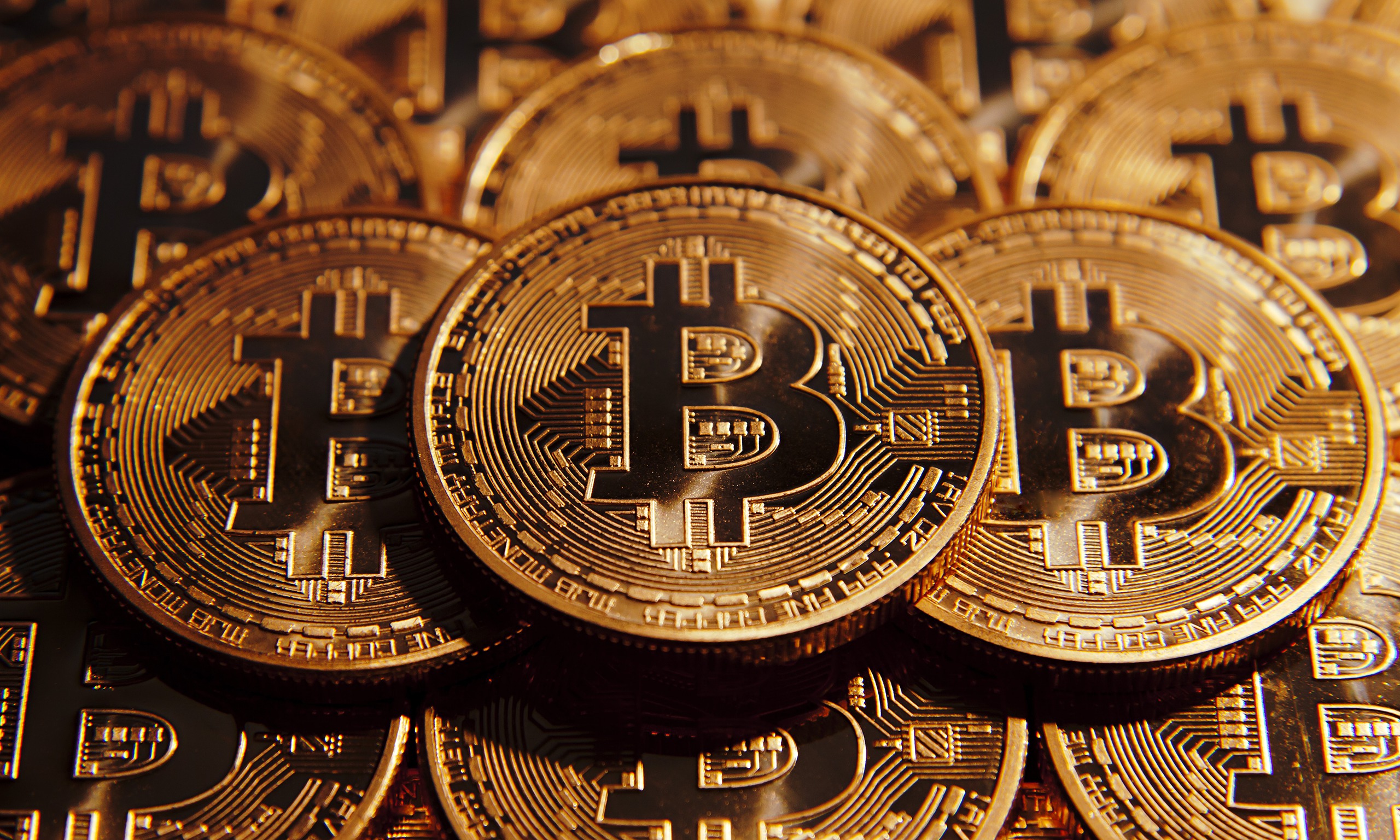
JPMorgan Chase, the world’s largest banking corporation, is preparing to take a major step toward integrating cryptocurrency into the traditional financial sector. According to Bloomberg, by the end of the year, the bank will allow its largest clients to use Bitcoin and Ethereum as collateral for loans. This decision reflects the growing demand from corporate investors for digital assets and opens a new phase of interaction between the banking industry and the crypto market.

How the new collateral scheme will work

JPMorgan plans to launch the program with a third-party custodian service. This service will hold clients’ crypto assets as collateral. This will allow the bank to:

  • provide credit lines or individual loans secured by cryptocurrency;
  • mitigate risks by avoiding direct custody of digital assets;
  • manage credit and market risks without having to implement its own crypto-custodial technologies.

Earlier in June, the bank attempted to enter the crypto lending space by accepting Bitcoin ETF shares as collateral. However, the new program offers a more flexible mechanism: clients will be able to pledge actual cryptocurrencies rather than derivatives, which is especially important for institutions unwilling to sell assets for liquidity.

Criticism and Controversy: Community Opinion

Not all industry representatives unanimously support JPMorgan’s initiative. Samuel Patt, co-founder of the Bitcoin metaprotocol OP_NET, believes that the bank’s interest in cryptocurrencies is driven by inevitable pressure from clients. According to him, this creates a fundamental conflict: Bitcoin was originally created to eliminate counterparty risks, but is now being used as collateral in the system he sought to transform.

Patt also notes that integrating Bitcoin into traditional banking processes will complicate risk management. Unlike bonds, Bitcoin operates 24/7, is highly volatile, and requires real-time liquidity control. JPMorgan’s risk department must now consider parameters unfamiliar to traditional financial instruments.

Market Expectations and Forecasts

Despite the controversy, institutional investor interest continues to grow. JPMorgan analysts recently stated that the price of Bitcoin could reach $165,000 by the end of the year, given increased demand from companies seeking to protect their assets from inflation and economic uncertainty.

The launch of cryptocurrency-backed lending could be a significant driver of market liquidity and a new stage in the institutionalization of Bitcoin and Ethereum.

You might be interested in:
13.01.2026

New KYC Rules in India: Crypto Exchanges Tighten Scrutiny
India's Financial Intelligence Unit is tightening KYC and AML regulations for crypto exchanges: users are required to undergo real-time selfie verification, verify bank accounts, and provide geolocation data. The new measures are aimed at combating money laundering, deepfakes, and tax evasion in the crypto market.
09.01.2026

Cryptocurrency Licensing in the UK: New Rules and Deadlines

The UK is introducing a comprehensive regulatory regime for the crypto market. Find out when the FCA opens for applications, who is affected by the new requirements, and how crypto exchanges and services will be licensed.
04.01.2026

Global Implementation of the CARF Standard: New Requirements for Crypto Services
The OECD's international CARF standard introduces mandatory tax reporting for cryptocurrencies. Find out which countries are participating, who is affected by the new requirements, and when data exchange will begin.
30.12.2025

Binance has restricted withdrawals to Visa and MasterCard cards for users in Ukraine

Cryptocurrency exchange Binance has suspended withdrawals to Visa and MasterCard cards for users in Ukraine, disabled Recurring Buy, and explained the changes by citing the closure of its Bifinity service due to regulation.
Related Topics
altcoins
Amina Bank
Armenia
Binance
Bitcoin
Blockchain
blockchains
CARF standard
CASP license
Coinbase
crypto companies
crypto exchange
crypto exchanges
Crypto in Estonia
Crypto license in Hong Kong
crypto market
Crypto Regulation
Crypto Regulations in Hong Kong
Crypto Regulations in the US
Crypto-Friendly Banks
Crypto.com
cryptocurrency
cryptocurrency Finland
Cryptocurrency in Hong Kong
Cryptocurrency License
Cryptocurrency License in Estonia
cryptocurrency license in Malta
cryptocurrency license in the USA
Cryptocurrency Regulation
cryptocurrency trading
Euro-stablecoins
gold
Indian
Japan
licensing of crypto companies
Lithuania
Mastercard
MetaMask
MiCA
Nigeria
Obtaining a cryptocurrency license
South Korea
Stablecoin
stablecoins
Staking
The Central Bank of Russia
The SEC
Ukrainian
Visa
Popular
13.01.2026

New KYC Rules in India: Crypto Exchanges Tighten Scrutiny

India's Financial Intelligence Unit is tightening KYC and AML regulations for crypto exchanges: users are required to undergo real-time selfie verification, verify bank accounts, and provide geolocation data. The new measures are aimed at combating money laundering, deepfakes, and tax evasion in the crypto market.
09.01.2026

Cryptocurrency Licensing in the UK: New Rules and Deadlines

The UK is introducing a comprehensive regulatory regime for the crypto market. Find out when the FCA opens for applications, who is affected by the new requirements, and how crypto exchanges and services will be licensed.
04.01.2026

Global Implementation of the CARF Standard: New Requirements for Crypto Services

The OECD's international CARF standard introduces mandatory tax reporting for cryptocurrencies. Find out which countries are participating, who is affected by the new requirements, and when data exchange will begin.
30.12.2025

Binance has restricted withdrawals to Visa and MasterCard cards for users in Ukraine

Cryptocurrency exchange Binance has suspended withdrawals to Visa and MasterCard cards for users in Ukraine, disabled Recurring Buy, and explained the changes by citing the closure of its Bifinity service due to regulation.
To help improve your experience of our website we would like to use cookies. This means we collect some information on your activity while you are on the website. For more information read more about our use of cookies here, your setting can be changed at any time. Please accept our use of cookies and help us improve your experience.