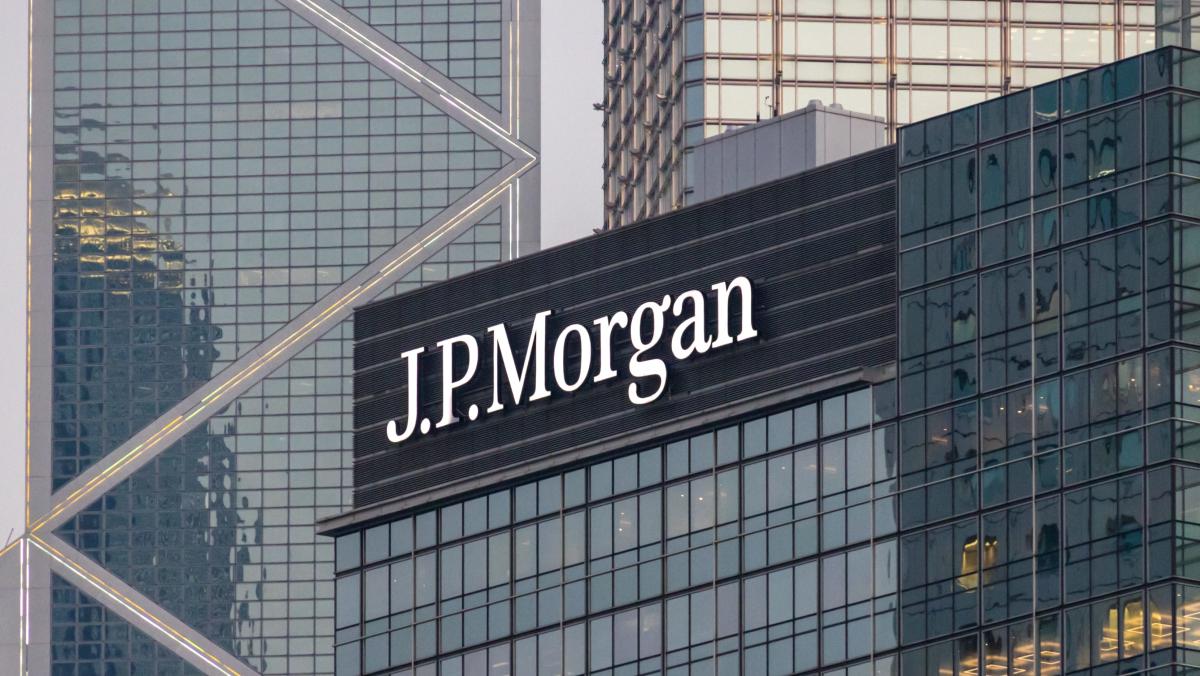
One of the world’s largest banks, JPMorgan Chase, is considering launching a cryptocurrency-secured lending program. As reported by the Financial Times, citing informed sources, as early as 2026, the bank’s clients will be able to receive loans by providing digital assets such as Bitcoin (BTC) or Ethereum (ETH) as collateral. Although the initiative is still under discussion, its implementation could be an important step in the evolution of traditional financial institutions’ attitudes toward the cryptocurrency market.

JPMorgan has not yet commented on this information, but, according to the FT, the bank is actively discussing the architecture of the future program, as well as possible legal and regulatory aspects. Such measures indicate the growing interest of the traditional financial sector in digital assets, as well as increasing trust in them as forms of collateral.

It is important to note that the bank’s interest in cryptocurrencies did not arise out of nowhere. Even earlier, JPMorgan announced its readiness to provide loans secured by assets invested in cryptocurrency ETFs. This trend has become especially relevant amid the growing popularity of crypto investments among institutional clients and the SEC’s approval of a number of spot Bitcoin ETFs in the US.

An additional catalyst for the development of such products was the Genius Act, adopted in July 2025 in the US, which regulates the use of stablecoins in payment systems. This law was an important step in creating a legal framework for integrating cryptocurrencies into traditional financial processes. It strengthened banks’ confidence that transactions with digital assets can be safe and legal if there are clear rules.

The fact that leading banks like JPMorgan are starting to seriously consider cryptocurrency as an asset suitable for collateral highlights a significant change in the perception of this area. If a few years ago large banks treated crypto assets with caution, today they view them as a tool for expanding customer service and increasing competitiveness.

The potential launch of Bitcoin or Ethereum-backed lending could be a game-changer for the financial market, opening up new opportunities for both private investors and large companies working with digital assets.

You might be interested in:
13.01.2026

New KYC Rules in India: Crypto Exchanges Tighten Scrutiny

India's Financial Intelligence Unit is tightening KYC and AML regulations for crypto exchanges: users are required to undergo real-time selfie verification, verify bank accounts, and provide geolocation data. The new measures are aimed at combating money laundering, deepfakes, and tax evasion in the crypto market.
09.01.2026

Cryptocurrency Licensing in the UK: New Rules and Deadlines
The UK is introducing a comprehensive regulatory regime for the crypto market. Find out when the FCA opens for applications, who is affected by the new requirements, and how crypto exchanges and services will be licensed.
04.01.2026

Global Implementation of the CARF Standard: New Requirements for Crypto Services
The OECD's international CARF standard introduces mandatory tax reporting for cryptocurrencies. Find out which countries are participating, who is affected by the new requirements, and when data exchange will begin.
30.12.2025

Binance has restricted withdrawals to Visa and MasterCard cards for users in Ukraine

Cryptocurrency exchange Binance has suspended withdrawals to Visa and MasterCard cards for users in Ukraine, disabled Recurring Buy, and explained the changes by citing the closure of its Bifinity service due to regulation.
Related Topics
altcoins
Amina Bank
Armenia
Binance
Bitcoin
Blockchain
blockchains
CARF standard
CASP license
Coinbase
crypto companies
crypto exchange
crypto exchanges
Crypto in Estonia
Crypto license in Hong Kong
crypto market
Crypto Regulation
Crypto Regulations in Hong Kong
Crypto Regulations in the US
Crypto-Friendly Banks
Crypto.com
cryptocurrency
cryptocurrency Finland
Cryptocurrency in Hong Kong
Cryptocurrency License
Cryptocurrency License in Estonia
cryptocurrency license in Malta
cryptocurrency license in the USA
Cryptocurrency Regulation
cryptocurrency trading
Euro-stablecoins
gold
Indian
Japan
licensing of crypto companies
Lithuania
Mastercard
MetaMask
MiCA
Nigeria
Obtaining a cryptocurrency license
South Korea
Stablecoin
stablecoins
Staking
The Central Bank of Russia
The SEC
Ukrainian
Visa
Popular
13.01.2026

New KYC Rules in India: Crypto Exchanges Tighten Scrutiny

India's Financial Intelligence Unit is tightening KYC and AML regulations for crypto exchanges: users are required to undergo real-time selfie verification, verify bank accounts, and provide geolocation data. The new measures are aimed at combating money laundering, deepfakes, and tax evasion in the crypto market.
09.01.2026

Cryptocurrency Licensing in the UK: New Rules and Deadlines

The UK is introducing a comprehensive regulatory regime for the crypto market. Find out when the FCA opens for applications, who is affected by the new requirements, and how crypto exchanges and services will be licensed.
04.01.2026

Global Implementation of the CARF Standard: New Requirements for Crypto Services

The OECD's international CARF standard introduces mandatory tax reporting for cryptocurrencies. Find out which countries are participating, who is affected by the new requirements, and when data exchange will begin.
30.12.2025

Binance has restricted withdrawals to Visa and MasterCard cards for users in Ukraine

Cryptocurrency exchange Binance has suspended withdrawals to Visa and MasterCard cards for users in Ukraine, disabled Recurring Buy, and explained the changes by citing the closure of its Bifinity service due to regulation.
To help improve your experience of our website we would like to use cookies. This means we collect some information on your activity while you are on the website. For more information read more about our use of cookies here, your setting can be changed at any time. Please accept our use of cookies and help us improve your experience.